Choosing HRMS software for a small business in India is very different from what a large enterprise needs. Budget is tighter, IT resources are limited, and the software needs to be simple enough that even a non-technical HR person can use it without training.
This guide will help you navigate the choices and find the right HRMS for your Indian SME.
Why Small Businesses Need HRMS Software
If you manage 10-500 employees, you have probably experienced these problems:
- Attendance tracking on spreadsheets leads to lost data and errors
- Leave balance calculations take hours every month
- Salary processing involves manual calculation of PF, ESI, and TDS
- Employee records are scattered across WhatsApp messages and email threads
- Compliance feels like a constant risk because things fall through the cracks
An HRMS centralises all of this into one system and automates the repetitive work. The time savings alone justify the investment — most HR managers report saving 15-20 hours per month.
Essential Features for Indian SMEs
Not all HRMS features are equally important for small businesses. Here is what you actually need versus what is nice to have:
Must-Have Features
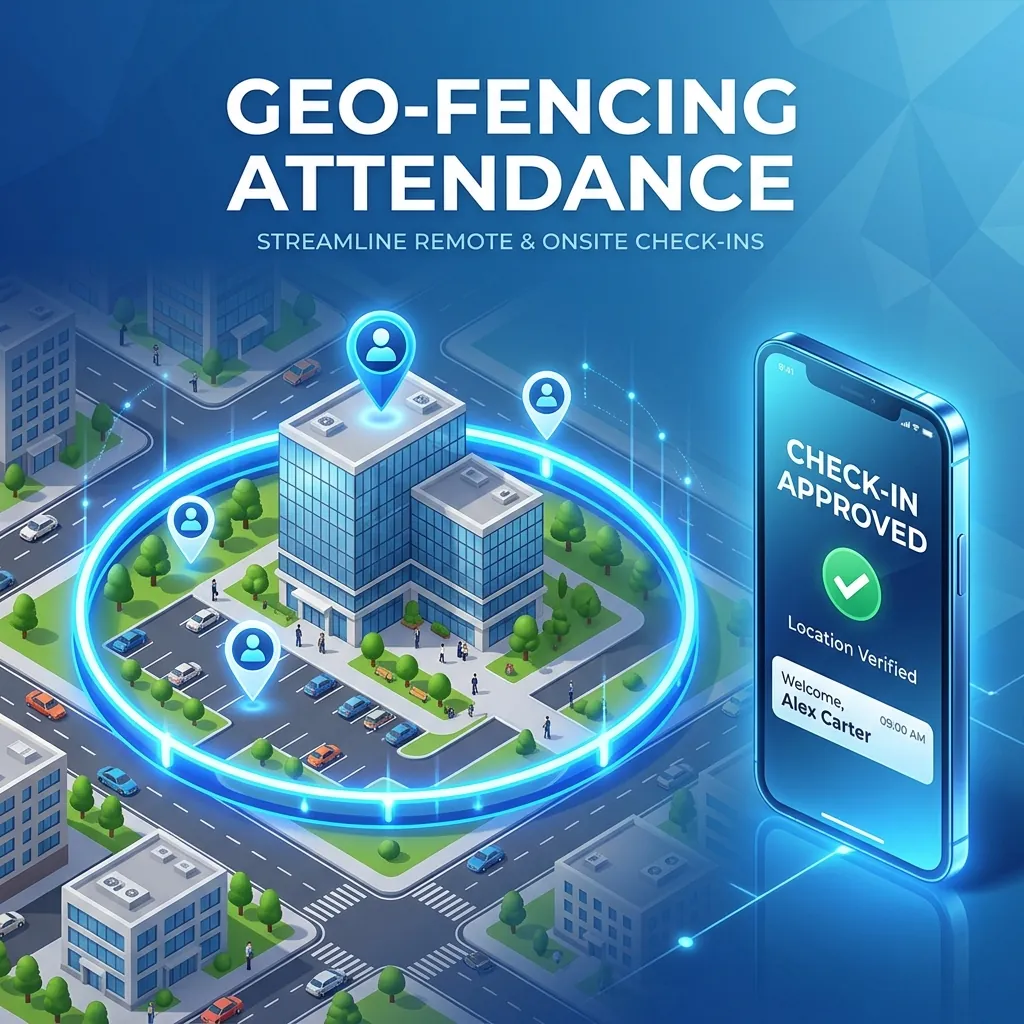
| Feature | Why It Matters | |---|---| | Employee master data | Central record of all employee information | | Attendance tracking | Digital check-in/out with location verification | | Leave management | Online applications, approvals, and balance tracking | | Payroll with statutory compliance | EPF, ESI, TDS, Professional Tax calculations | | Payslip generation | Digital payslips with email delivery | | Reports and analytics | Basic dashboards to track attendance and leave |
Good to Have Features
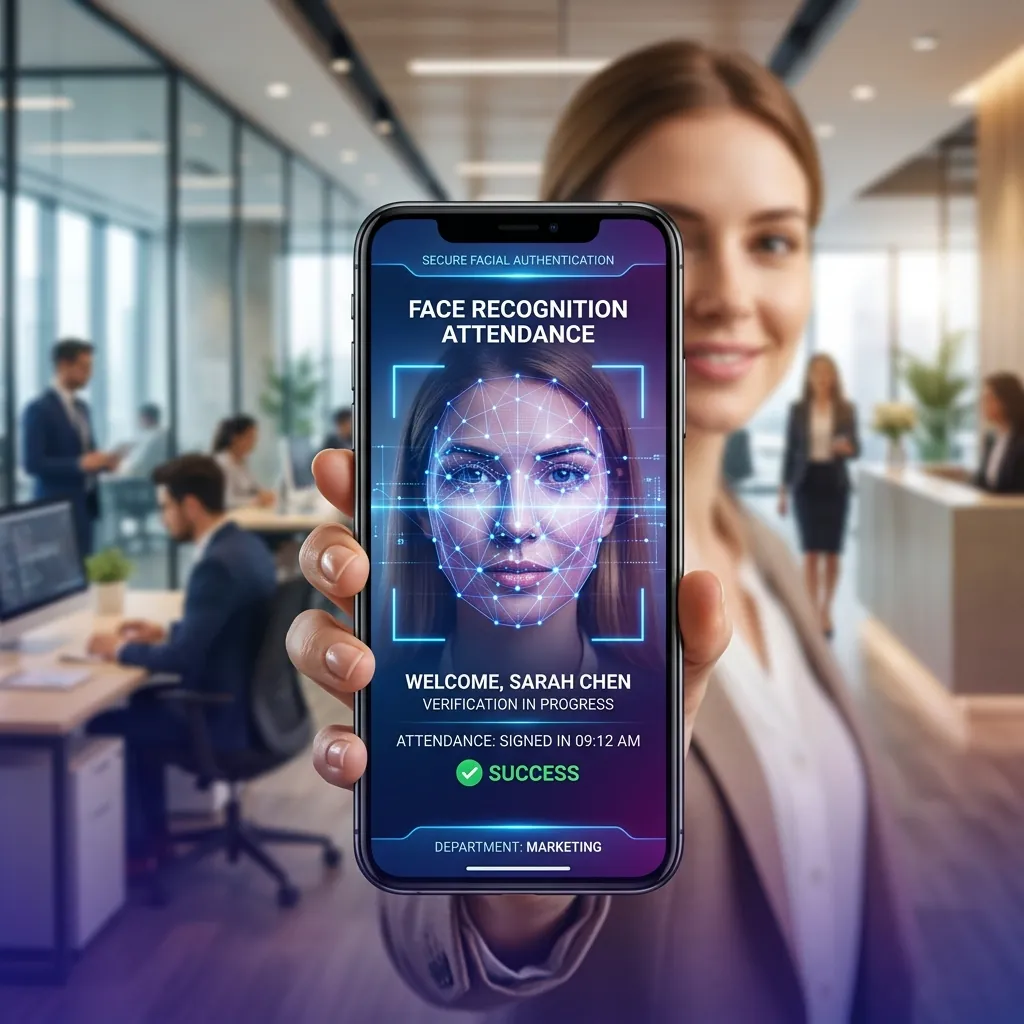
| Feature | Why It Helps | |---|---| | Mobile app for employees | Self-service access to payslips, leave, and attendance | | Face recognition attendance | Eliminates buddy punching | | Document management | Store offer letters, ID proofs, and certificates | | Expense management | Track and approve employee reimbursements | | WhatsApp notifications | Push approvals and alerts to employees | | Shift management | Useful for manufacturing and retail businesses |
Not Critical for Small Business
- Advanced performance management systems
- Complex competency frameworks
- Learning management systems
- Recruitment management (unless hiring frequently)
Pricing Models: What to Expect
HRMS pricing in India typically falls into three models:
1. Per User Per Month
₹30-100 per employee per month. You pay for each active employee. This scales linearly — 50 employees at ₹50/user = ₹2,500/month.
Best for: Growing companies where employee count changes frequently.
2. Fixed Monthly Plan
₹3,000-15,000/month for a set employee range (e.g., up to 100 employees). Features vary by plan tier.
Best for: Stable companies that want predictable costs.
3. One-Time Setup + Low Monthly
₹2,000-10,000 setup fee + ₹3,000-5,000/month. Lower ongoing costs but higher upfront investment.
Best for: Budget-conscious SMEs that prefer less recurring expense.
Red Flags to Watch For
When evaluating HRMS vendors, watch for these warning signs:
- No free trial or demo: If the vendor will not let you try before buying, be cautious.
- Hidden charges: Ask explicitly about charges for data import, additional users, custom reports, and customer support.
- Poor mobile experience: If the mobile app is clunky or missing, employees will not use it.
- No Indian compliance built in: Generic international HR software often does not have EPF/ESI/TDS calculations. You will end up doing these manually anyway.
- Vendor lock-in: Ask about data export. Can you download your employee data if you switch?
- Slow customer support: For small businesses, getting stuck without help can disrupt operations. Test the support response time before signing.
Questions to Ask Before Buying
Use this checklist during vendor discussions:
- [ ] Does it handle EPF, ESI, TDS, and Professional Tax automatically?
- [ ] Is there a mobile app for employee self-service?
- [ ] Can employees mark attendance from their phones?
- [ ] Does it generate digital payslips?
- [ ] Can I import existing employee data from Excel?
- [ ] What happens if I want to cancel? Can I export my data?
- [ ] Is the data hosted in India?
- [ ] How long does setup take? Will you assist with data migration?
- [ ] What is the support response time?
Our Honest Recommendation
For Indian SMEs with 10-500 employees, the ideal HRMS should be:
- Cloud-based — no installation, no maintenance
- India-specific — built-in statutory compliance
- Mobile-first — employees should be able to do everything from their phone
- Simple pricing — clear costs with no surprises
- Quick setup — operational within a week, not months
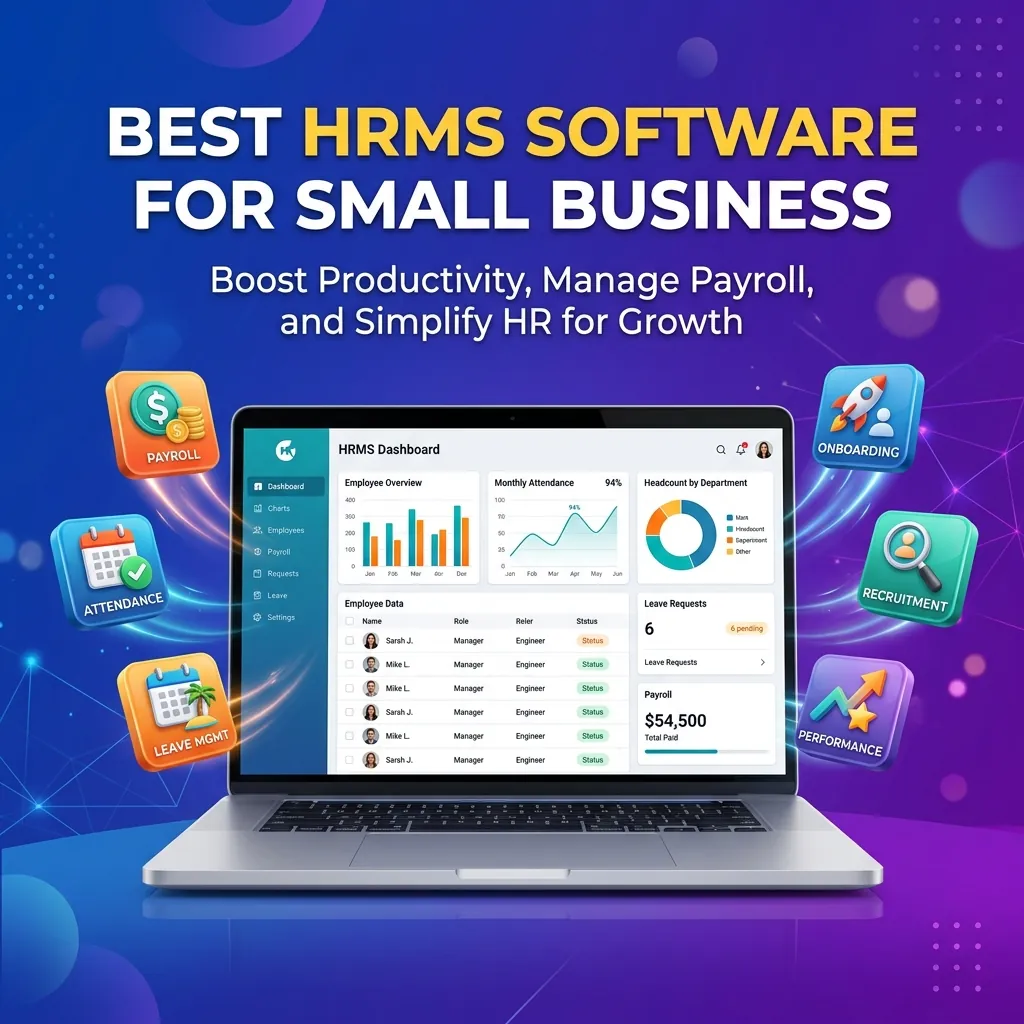
Do not overspend on enterprise features you will not use. Focus on the core modules — attendance, leave, payroll, and employee management — and add more as your company grows.
Conclusion
Choosing an HRMS for a small business is about finding the right balance between features, simplicity, and cost. Do not be swayed by feature lists that include things you will never use. Focus on what solves your daily HR problems and makes compliance easy.
Start with a free demo of XoMB HR to see if it fits your business needs.