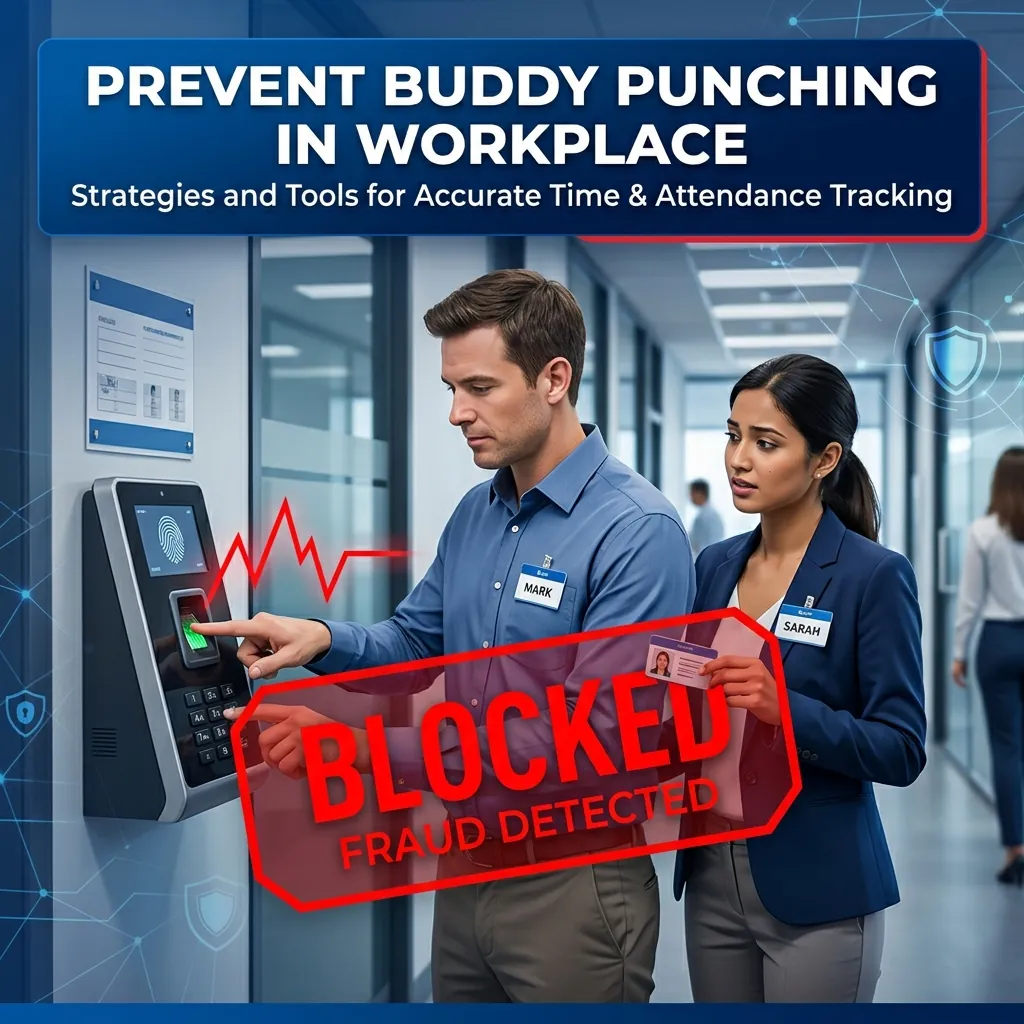
In most Indian workplaces it is simply called proxy attendance — one employee marks attendance for another who is late, absent or has left early. Globally it is known as "buddy punching". Whatever you call it, the employer ends up paying for hours nobody worked.
For a business with 50 workers on an average salary of ₹18,000 a month, a monthly salary bill of ₹9 lakh means even 2% of paid time lost to proxies is ₹18,000 every month — over ₹2 lakh a year — before you count overtime and statutory contributions.
This guide explains where proxy attendance happens in Indian businesses, why it is more expensive than it looks, and five practical ways to stop it.
Where Proxy Attendance Happens Most in India
- Factories and manufacturing units: Crowding at the gate during shift change makes it easy to punch a friend's card, especially with RFID cards or a shared muster roll.
- Contract labour: When a contractor supplies workers, nobody on your side may know every face. Absent or "ghost" workers can be marked present and billed.
- Retail stores and showrooms: A colleague marks a late staff member present on a paper register at opening time.
- Construction sites: Supervisors fill site registers at the end of the day from memory — or from favours.
- Schools, colleges and coaching institutes: Teaching staff sign registers for colleagues who arrive late or leave early.
- Offices with mobile attendance apps: Without location checks, an employee can mark attendance from home.
Why It Costs More Than the Salary
Proxy attendance does not just pay one extra day of salary. In India, it inflates several costs at once:
- Overtime: Proxy punch-outs at the end of a shift can turn into overtime claims, which the law requires you to pay at twice the ordinary rate for covered workers.
- EPF and ESI: Employer contributions are calculated on wages paid, so every inflated day also increases your statutory contribution.
- Leave balances: Absent days marked as present are never deducted from leave, so earned leave keeps piling up and gets encashed later.
- Contractor bills: Payments to labour contractors based on inflated attendance.
- Disputes: Inaccurate attendance registers weaken your position in wage disputes or labour inspections.
Method 1: Biometric Attendance
Effectiveness: ★★★★★
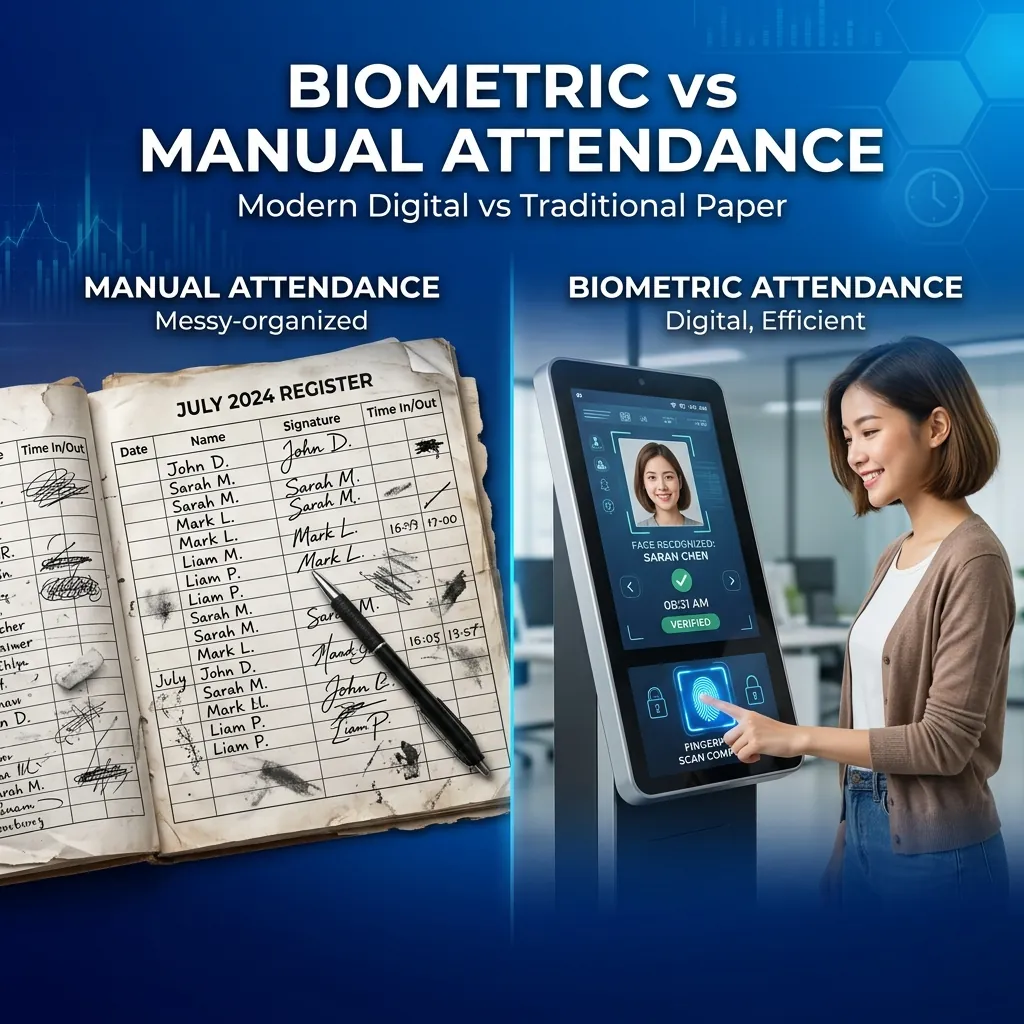
Biometric systems verify identity through a physical trait that cannot be lent to a colleague.
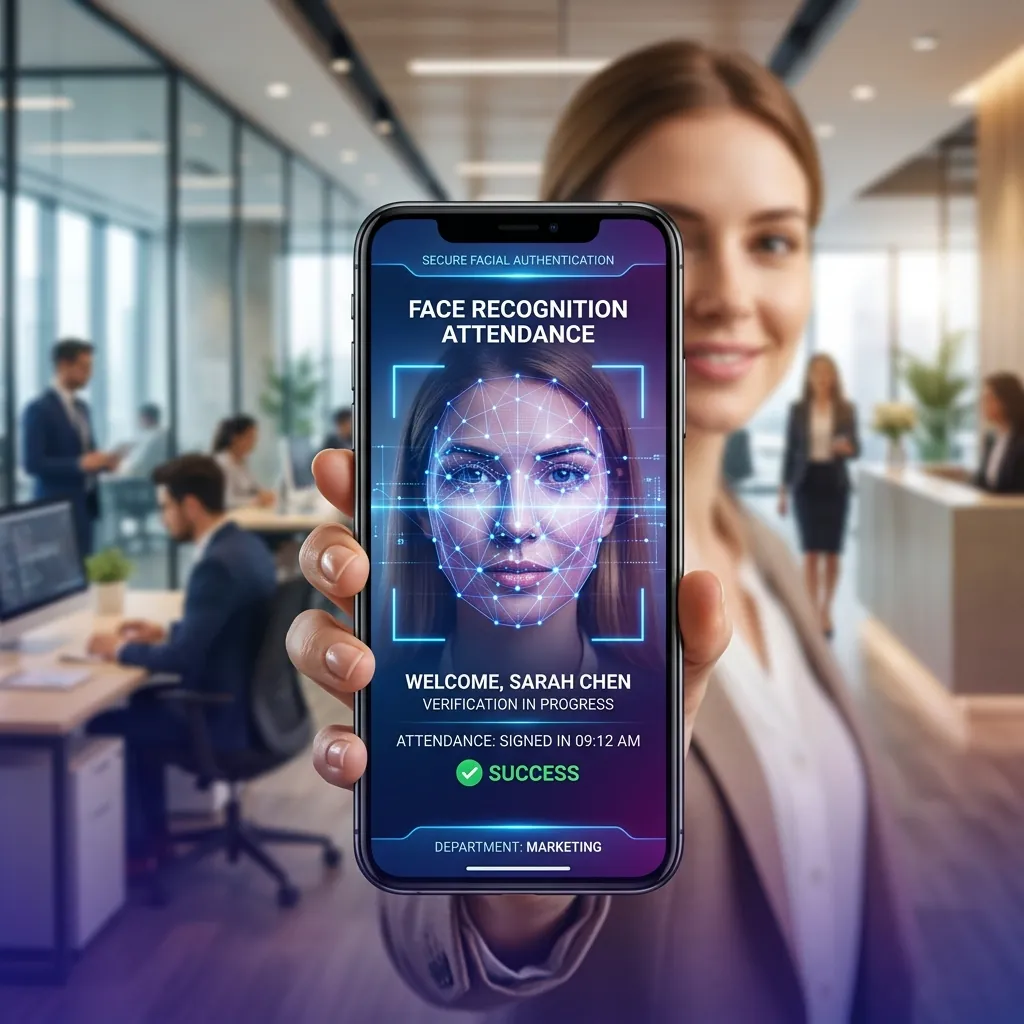
Face Recognition (Most Recommended)
- Employee looks at a camera for 1–2 seconds
- Anti-spoofing checks reject photos and videos held up to the camera
- Contactless — no shared surface, works for workers with worn fingerprints
- Available on biometric machines and on ordinary Android smartphones
Fingerprint Scanners
- Widely used and affordable
- Can struggle with workers whose fingerprints are worn by manual labour, cement or chemicals — common in Indian factories and construction
- Shared touch surface is a hygiene concern
RFID Cards — Use With Caution
Card-only systems are the easiest to cheat: a worker simply hands their card to a friend. If you use RFID, pair it with face or fingerprint verification.
A 3-in-1 biometric attendance machine that combines face recognition, fingerprint and RFID lets you choose the right method for each group of workers.
Method 2: GPS Geo-Fencing for Mobile Attendance
Effectiveness: ★★★★☆
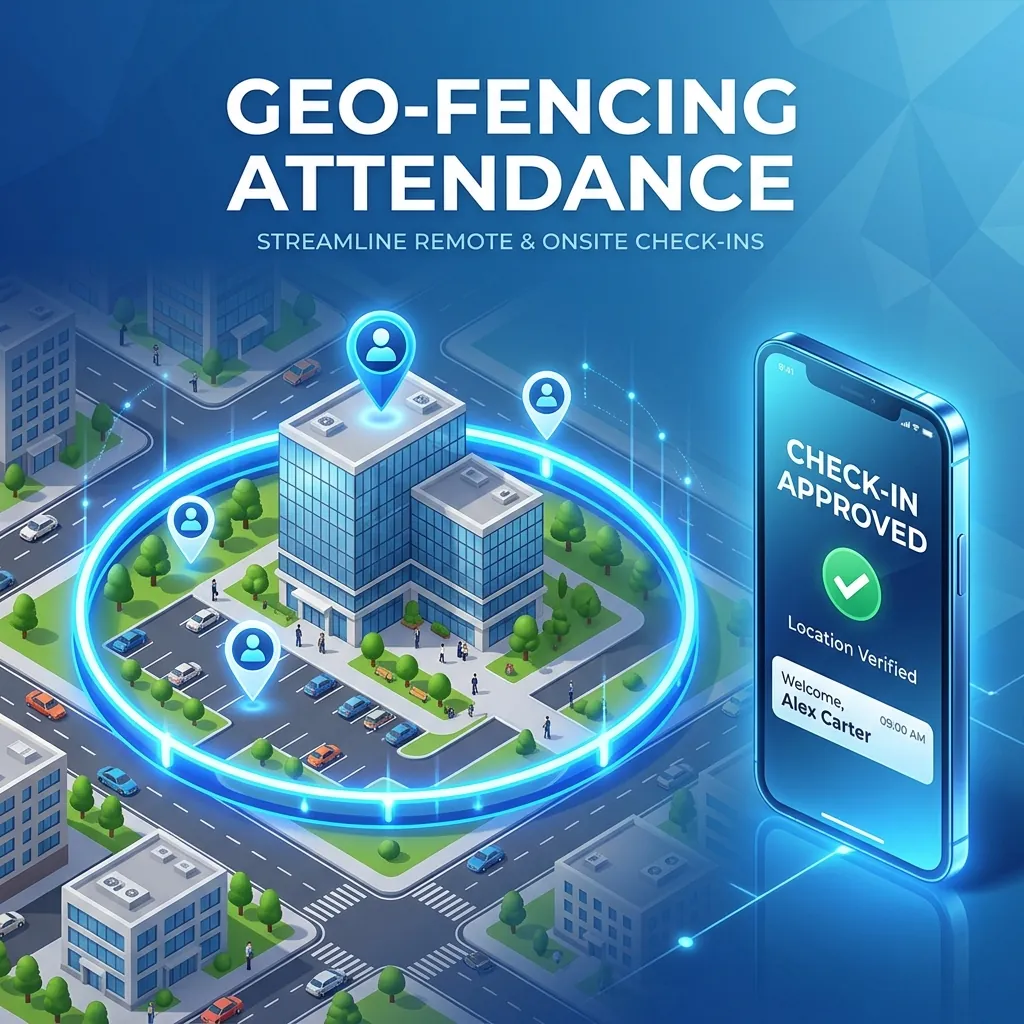
If your employees mark attendance on a mobile app, geo-fencing only accepts a check-in when the phone is inside a boundary around the workplace. A colleague cannot mark attendance for someone sitting at home in another sector of the city.
Best for: field sales teams, multi-branch retail, construction sites and any business using a mobile attendance app.
Limitation: geo-fencing confirms the location, not the person. Two employees at the same site could still share a phone — so combine it with face recognition. Read our full guide to geo-fencing attendance.
Method 3: Photo Capture at Every Punch
Effectiveness: ★★★☆☆
Some systems save a photo with every attendance entry. HR can review the photos when something looks wrong.
- Simple to introduce and acts as a deterrent
- But it only catches fraud after it happens, and someone has to review the photos
Real-time face recognition is better because it blocks the wrong person at the moment of punching.
Method 4: Two-Factor Attendance
Effectiveness: ★★★★☆
Combine two independent checks so that cheating one is not enough:
- Face recognition + geo-fencing: right person, right place
- RFID card + fingerprint: something they carry + something they are
- Registered phone + face scan: right device, right person
To beat a two-factor system, the "proxy" would need the other employee's face or fingerprint and be at the right place — which is practically the same as the employee turning up.
Method 5: Clear Policy and Fair Rules
Effectiveness: ★★★☆☆ alone | ★★★★★ with technology
Put It in Writing
- State clearly that marking or getting attendance marked by someone else is misconduct
- Define the consequences — warning, then disciplinary action — consistent with your certified standing orders or HR policy
- Explain the rule during onboarding and get employees to acknowledge it
Remove the Reason to Cheat
Proxy attendance often grows where attendance rules feel unfair. If arriving 3 minutes late costs a half-day, employees will ask friends to cover for them.
- Allow a grace period of 5–10 minutes
- Set a fair late-mark rule (for example, three late marks = half-day)
- Make attendance and deductions visible to employees on their phones so nothing feels hidden
Respect Employee Data
Biometric and location data are personal data under India's Digital Personal Data Protection Act, 2023. Tell employees what you collect and why, use it only for attendance and payroll, and store it securely.
The Best Approach: Combine Methods
- Face recognition to verify the person
- Geo-fencing to verify the place for mobile attendance
- A written policy with clear consequences
- Fair grace periods to remove the temptation
This combination makes proxy attendance practically impossible while keeping the system fair for honest employees.
Calculating the Return
- 50 employees at an average salary of ₹18,000/month = ₹9,00,000 monthly salary bill
- 2% of paid time lost to proxy attendance = ₹18,000/month
- Add overtime and the matching EPF/ESI contributions, and the real figure is higher
An attendance system with face recognition costs a fraction of that — XoMB HR starts at ₹30 per user per month — so it typically pays for itself within the first month.
Conclusion
Proxy attendance is a quiet but steady leak in Indian payrolls — through salary, overtime, PF/ESI and leave encashment. Face recognition and geo-fencing remove the opportunity, and clear, fair rules remove the motive.
XoMB HR combines AI face recognition attendance, geo-fencing and biometric machines with automatic salary processing. If your business is in the Tricity, our team can show you on-site — see our pages for Panchkula, Chandigarh, Mohali and Zirakpur, or book a free demo.