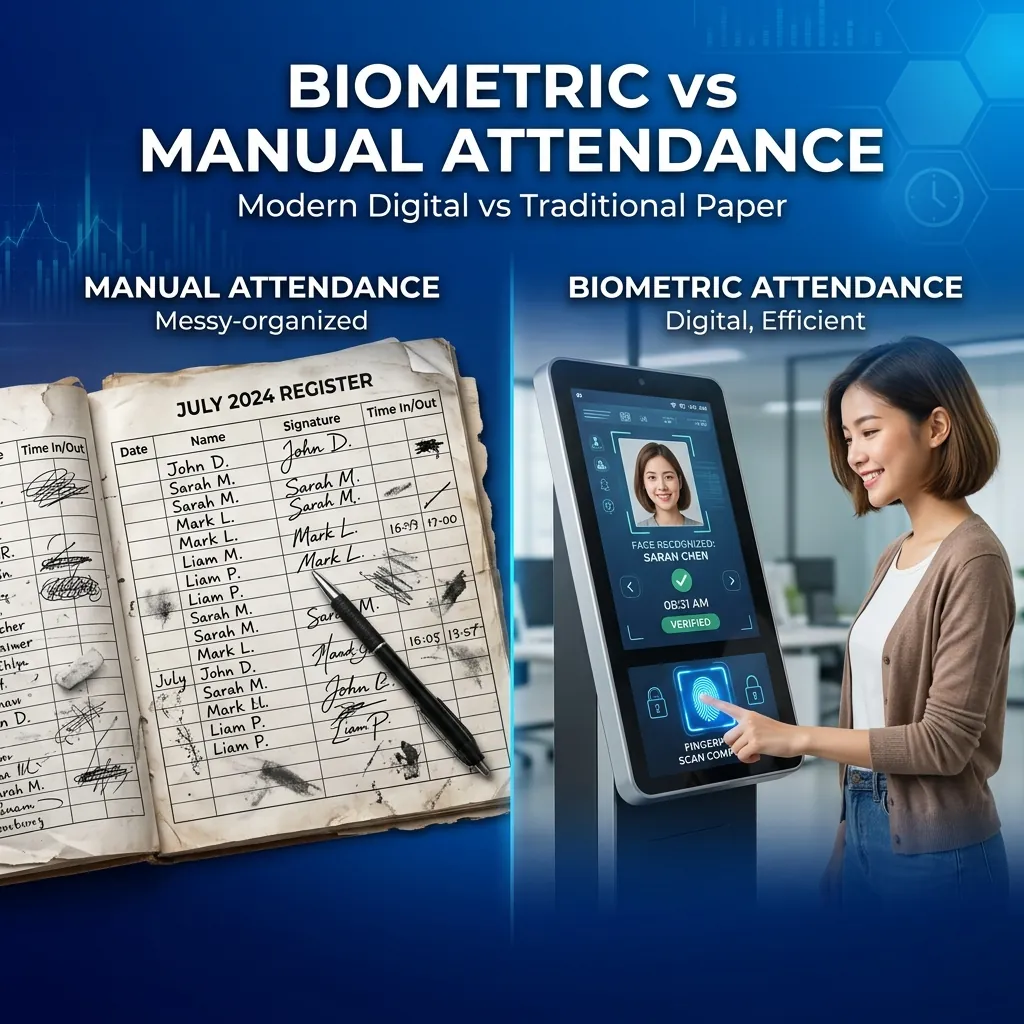
The argument between biometric and manual attendance continues in many Indian workplaces. Some managers believe manual registers work fine and see no reason to change. Others have faced enough buddy punching and data entry errors to want something better.
Let us examine both approaches honestly — including the areas where manual methods still make sense.
Manual Attendance: The Current Reality
Manual attendance takes many forms in Indian businesses:
- Paper registers: Employees sign in a physical register
- Punch cards: Mechanical time clocks that stamp cards
- Excel sheets: HR enters attendance data manually
- WhatsApp messages: Field employees send selfies or location screenshots
Advantages of Manual Methods
- Zero technology cost
- Works without electricity or internet
- No training required
- Familiar to all employees
Problems with Manual Methods
- Easy to manipulate — late arrivals change sign-in times
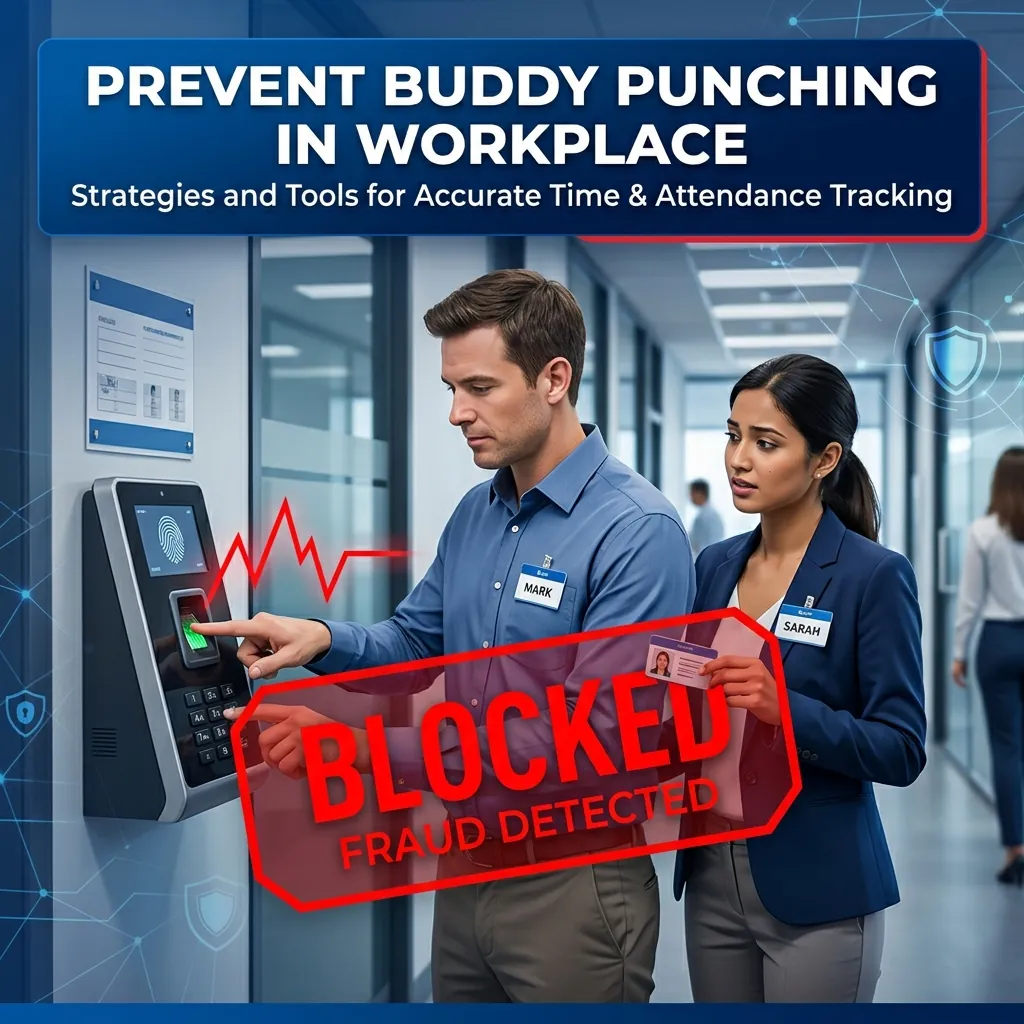
- Buddy punching is common and undetectable
- Data entry errors during payroll
- No real-time visibility for managers
- Physical registers can be lost or damaged
- Difficult to calculate overtime accurately
- Compliance risk — handwritten records are hard to verify during audits
Biometric Attendance: What Is Available
Biometric attendance systems use unique physical characteristics to identify employees. Some devices, like the XoMB 3-in-1 biometric attendance machine, combine several methods in one unit. The main types available in India:
1. Fingerprint Scanners
The most common biometric device. Employee touches a scanner that reads their fingerprint pattern.
Cost: ₹3,000-15,000 per device
Pros: Accurate, fast, widely available
Cons: Hygiene concerns (shared surface), does not work with wet or damaged fingers
2. Face Recognition
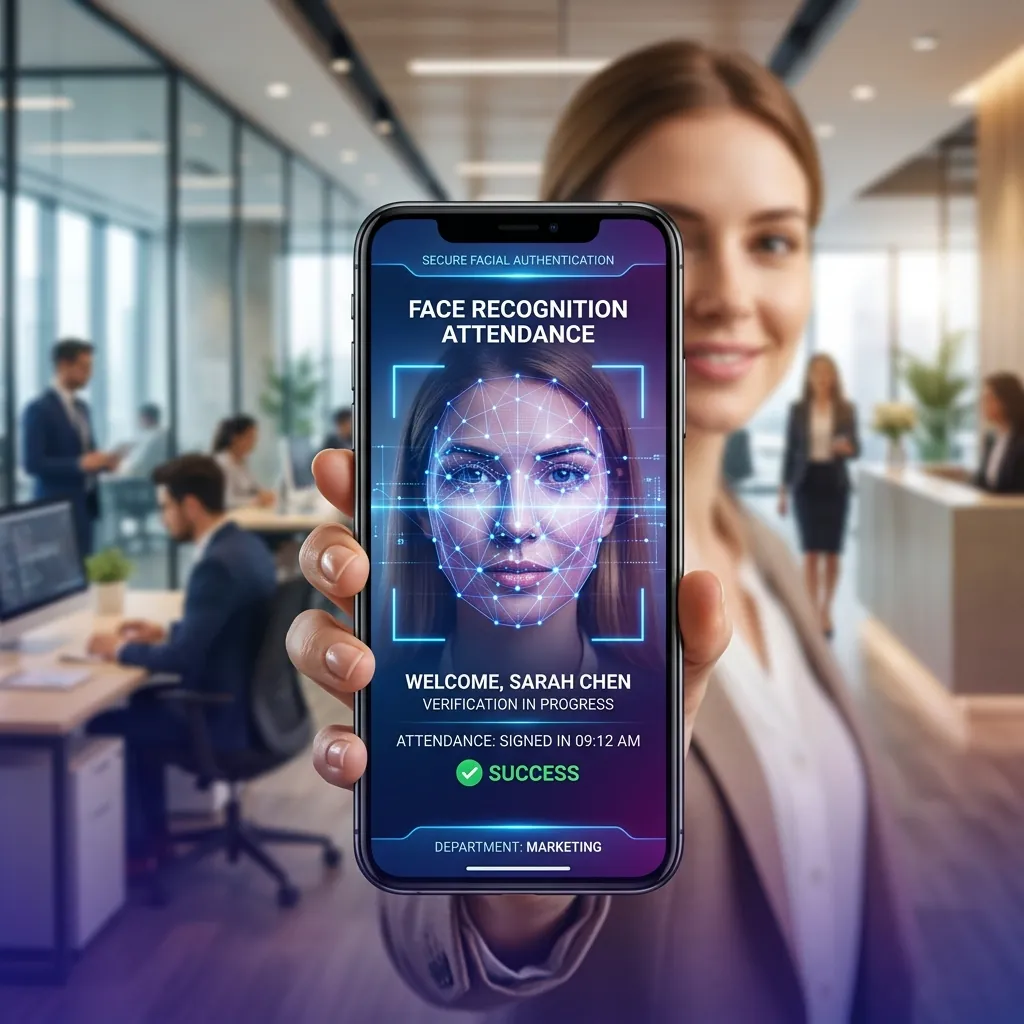
AI-powered systems that identify employees by their facial features using a camera.
Cost: Uses existing smartphones or tablets (₹0 additional for mobile apps)
Pros: Contactless, works on phones, includes anti-spoofing
Cons: Requires camera, affected by extreme lighting changes
3. Iris Scanner
Reads the unique pattern in an employee's iris. Very accurate.
Cost: ₹15,000-50,000 per device
Pros: Highly accurate, fast
Cons: Expensive, employees uncomfortable with eye scanning
4. Palm/Vein Recognition
Scans the vein pattern inside the hand.
Cost: ₹20,000-40,000 per device
Pros: Contactless, very accurate
Cons: Expensive, limited availability in India
Direct Comparison
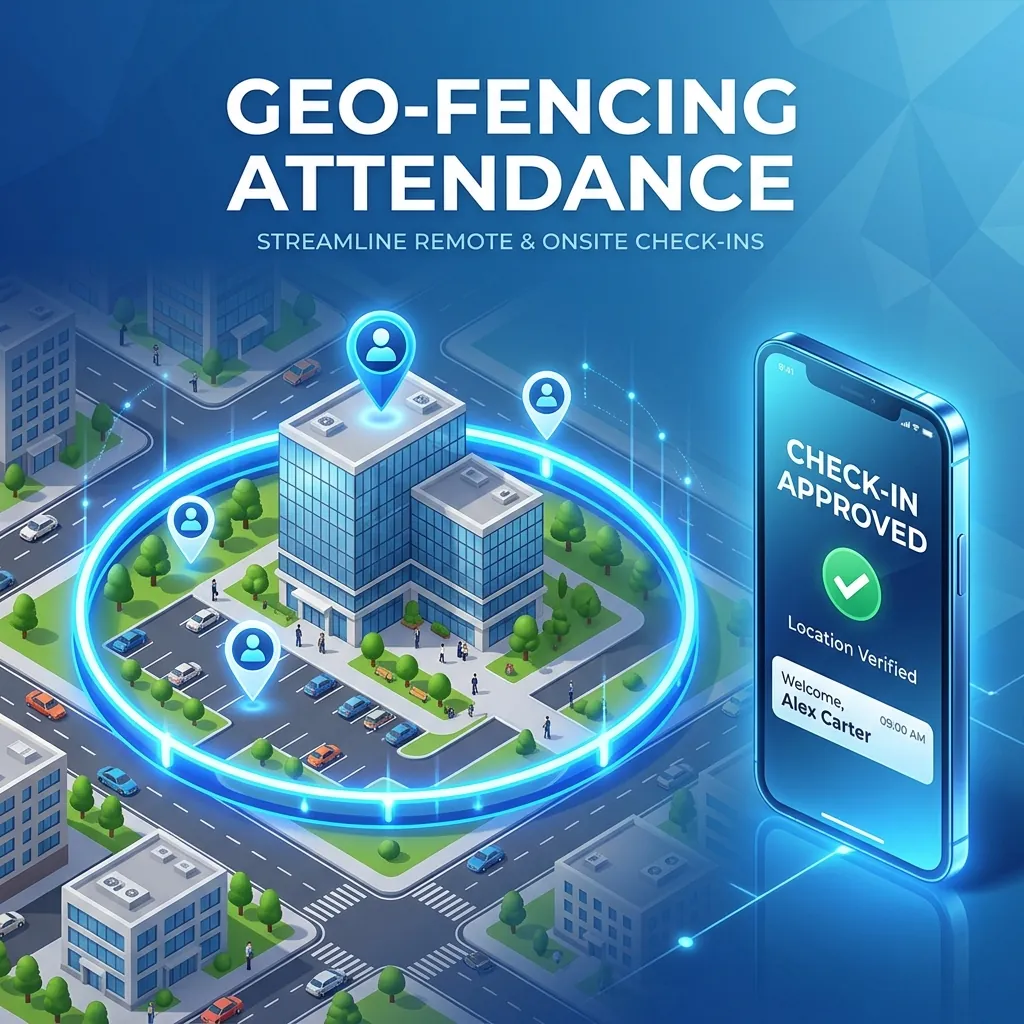
| Factor | Manual Register | Fingerprint | Face Recognition | |---|---|---|---| | Setup Cost | ₹0 | ₹3,000-15,000/device | ₹0 (mobile app) | | Buddy Punching | Very easy | Not possible | Not possible | | Speed | 5-10 seconds | 1-2 seconds | 1-2 seconds | | Hygiene | Shared pen | Shared surface | Contactless | | Works Offline | Yes | Yes | Yes (with sync) | | Location Proof | No | No | Yes (with GPS) | | Accuracy | Low | High | Very high | | Multiple Locations | Separate register each | Separate device each | One app everywhere | | Data for Payroll | Manual entry needed | Automatic export | Automatic export |
When Manual Attendance Still Works
Let us be honest — biometric may not be the right choice for every situation:
- Very small teams (3-5 people) where the owner personally oversees attendance
- Temporary work sites with no electricity where even phone charging is difficult
- Cultural sensitivity where employees strongly resist any form of biometric data collection
- Extremely tight budgets where even a smartphone for a common kiosk is not feasible
For these situations, a well-maintained physical register with periodic spot-checks is a pragmatic choice.
When You Should Switch to Biometric
If you experience any of these, it is time to switch:
- Recurring complaints about unfair attendance marking
- Significant time spent by HR on attendance data entry
- Difficulty calculating overtime accurately
- Employees working across multiple locations
- Payroll errors traced back to incorrect attendance data
- Labour inspector asking for digital/verifiable records
Making the Switch: Practical Tips
-
Start with face recognition on phones: It requires zero hardware investment. Download an app, register employee faces, and start within a day.
-
Run both systems in parallel for one month: Keep the old register while employees get used to the biometric system. Compare data to identify any issues.
-
Address employee concerns proactively: Explain that the biometric system is about fairness and accuracy. Employees who are genuinely punctual will welcome it.
-
Ensure data privacy: Communicate clearly about what data is stored and how. For face recognition, explain that face data is stored as mathematical embeddings, not photos.
-
Connect to payroll: The biggest benefit of biometric attendance is automated payroll integration. Make sure the attendance system connects to your salary processing.
Conclusion
Manual attendance served its purpose, but it belongs to a different era. For most Indian businesses with 10+ employees, biometric attendance — particularly face recognition on mobile devices — is a practical, affordable upgrade that pays for itself in reduced time theft and payroll errors.
See how XoMB HR's mobile attendance uses face recognition and GPS to give you accurate, tamper-proof attendance data.